January 2026 Interior Refresh

The Interior Design Trends Shaping the New Year
January has always been a moment of quiet reset in the home. After the excess of Christmas, the start of a new year invites calm, clarity and considered change. In January 2026, interior design is less about dramatic reinvention and more about thoughtful refinement. The focus is on homes that feel restorative, layered and deeply personal.
Across the UK, interior design trends for 2026 reflect a growing desire for comfort, longevity and wellbeing. Spaces are becoming warmer, more tactile and more reflective of how we actually live. This January refresh is not about starting again, it is about softening, editing and elevating what is already there.

A Move Towards Calm and Wellbeing-Led Design
One of the most defining interior design trends of 2026 is the emphasis on wellbeing. Homes are being designed to support rest, focus and everyday rituals, particularly in bedrooms, living spaces and home offices.
In January, this often starts with subtle but impactful changes. Softer lighting, layered window treatments and comforting textures help spaces feel calmer during darker winter months. Bedrooms in particular are shifting away from high contrast schemes towards warmer neutrals, layered bedding and tactile fabrics that feel indulgent but understated.
This approach to design prioritises how a space makes you feel, not just how it looks. It is a trend that resonates strongly with homeowners seeking longevity rather than seasonal novelty.
Warm Minimalism Replaces Cold Simplicity
Minimalism has not disappeared in 2026, but it has evolved. January interiors are embracing what many designers are calling warm minimalism. Clean lines remain, but they are softened with texture, depth and natural materials.
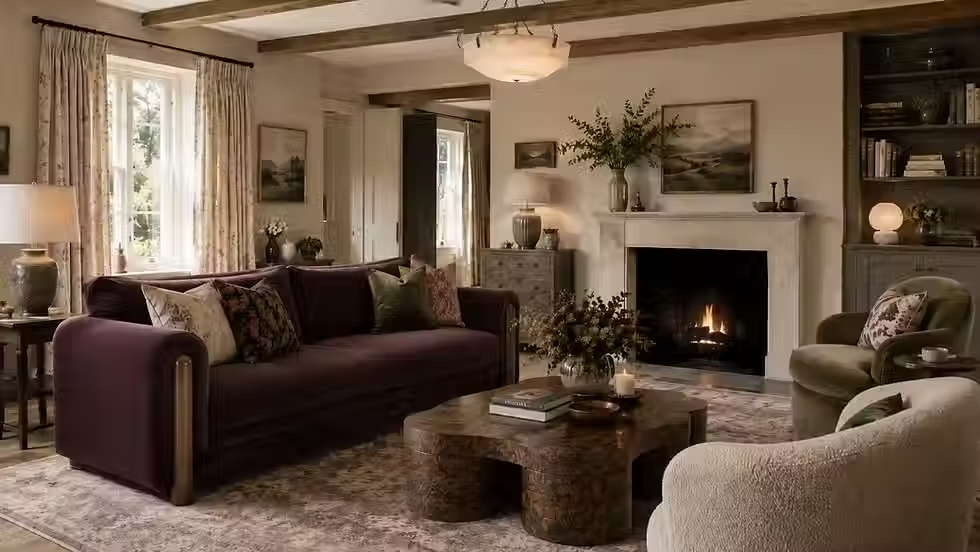
Think limewashed walls, soft plaster finishes, wool and linen upholstery, and furniture that feels grounded rather than stark. Wood tones are warmer, finishes are more tactile, and rooms feel curated rather than sparse.
For a January interior refresh, this often means removing excess clutter while adding considered layers, such as a textured rug, a sculptural side table or carefully chosen cushions. The result is a home that feels calm but not clinical.

Rich Neutrals and Earth-Led Colour Palettes
Colour trends for 2026 are firmly rooted in nature. January is seeing a move away from cool greys towards richer, warmer neutrals that create depth and comfort.
Soft browns, clay tones, olive greens and muted blues are being used to anchor spaces. These colours work beautifully in British homes, particularly in period properties or houses with limited winter light. They bring warmth without overpowering a room and create a timeless backdrop that can evolve through the seasons.
For homeowners considering a January refresh, updating wall colours or introducing richer tones through soft furnishings is one of the most effective ways to transform a space without a full redesign.
Layering, Texture and a Lived-In Feel
One of the strongest interior design trends for 2026 is the move away from overly styled, showroom-perfect interiors. Homes are becoming more relaxed, layered and personal.
Texture plays a central role in this shift. Bouclé, velvet, wool and natural fibres are layered together to create depth and warmth. Decorative objects feel collected rather than coordinated, often mixing old and new.
January is the perfect time to reassess how a space is styled. Removing anything that feels purely decorative and replacing it with pieces that add comfort or meaning helps interiors feel more authentic and considered.

Curated Investment Pieces Over Fast Trends
Another key theme shaping January 2026 interiors is a move towards fewer, better pieces. Rather than refreshing an entire room, homeowners are investing in standout elements that elevate the whole space.
Statement lighting, handcrafted furniture and sculptural accessories are being chosen for their quality and longevity. These pieces add character and can anchor a room for years, making them ideal for a new year refresh that feels intentional rather than impulsive.
This approach aligns closely with sustainable design values and reflects a broader cultural shift towards buying less, but buying well.
Refreshing Your Home for January 2026
An interior refresh for January does not need to be dramatic. In fact, the most successful updates are often the most restrained. Editing a room, rebalancing colour and introducing texture can make a space feel completely renewed.
The interior design trends of 2026 point towards homes that are calm, warm and deeply personal. By focusing on comfort, materiality and thoughtful choices, a January refresh can set the tone for the entire year ahead.
For homeowners in Hampshire and beyond looking to update their interiors, working with an interior designer can help translate these trends into a home that feels timeless, considered, and uniquely yours.
Thinking about a January interior refresh?
If you are considering refreshing your home for 2026 and would like expert guidance tailored to your space, location and lifestyle, working with a professional interior designer can help you achieve a result that feels both current and enduring.